






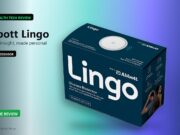















Disclosure for this Abbott Lingo review: Abbott Lingo provided two Lingo biosensors at no charge for independent editorial consideration. Abbott did not sponsor or pay for this coverage. The company does not control our conclusions. This article contains affiliate links; Tech My Money may earn a commission from qualifying purchases.
As an Amazon Associate, Tech My Money earns from qualifying purchases.
Abbott Lingo review is a phrase I approach from a more personal place than the typical wearable story. Several years ago, after COVID and a course of medication, my care team described my condition as medication-induced type 2 diabetes. My glucose readings climbed above 500 mg/dL, and my A1c was over 15%. Checking my blood sugar also meant pricking my fingers again and again. That history explains why I immediately understood the appeal of Abbott’s Lingo biosensor and app. Continuous data can turn an invisible process into something you can actually see.
However, this distinction matters from the beginning: Lingo is a general-wellness product, not a diabetes-management device. Abbott says it is for adults 18 and older who are not on insulin. Its support guidance also says people with diabetes should not use Lingo. Therefore, I am not presenting it as the system that diagnosed, treated, or managed my diabetes. This is a positive first-impressions review of the product Abbott sent. It explains why the approach resonates with my history and what a complete real-world trial still needs to prove.
Important eligibility and medical note
Lingo is not intended to diagnose, treat, or manage any disease, including diabetes. Do not change medication, diet, or treatment based only on Lingo data. Talk with a qualified clinician if you have diabetes, use insulin, or are pregnant. Do the same if you question whether an over-the-counter glucose biosensor is appropriate for you. My experience is personal and is not medical advice.
Why continuous glucose information became personal for me
When my numbers were at their worst, the emotional burden was almost as heavy as the physical one. A finger-stick meter can tell you what is happening at that moment. However, it does not naturally show the full curve around breakfast, workouts, stress, or poor sleep. Moreover, each test asks you to stop, prepare the lancet, pierce a fingertip, and record another isolated number.
Continuous glucose monitoring changed how I thought about those numbers. Instead, I could begin connecting glucose to decisions. I watched what I ate, when I exercised, how hard I trained, and how my body responded over time. Alongside professional care, exercise and healthier eating, that visibility helped me become more active in my own health journey. Additionally, it helped me lose weight and make habits feel measurable rather than abstract.
That is the emotional center of this Lingo review. The product is not a replacement for a medical CGM or a clinician. Still, the idea of giving eligible adults a readable, minute-by-minute picture of glucose without requiring a prescription is powerful. It can make the relationship between a meal and the next few hours easier to understand.
What Abbott Lingo is—and what it is not
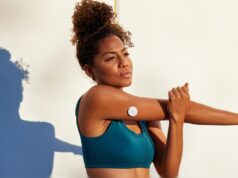
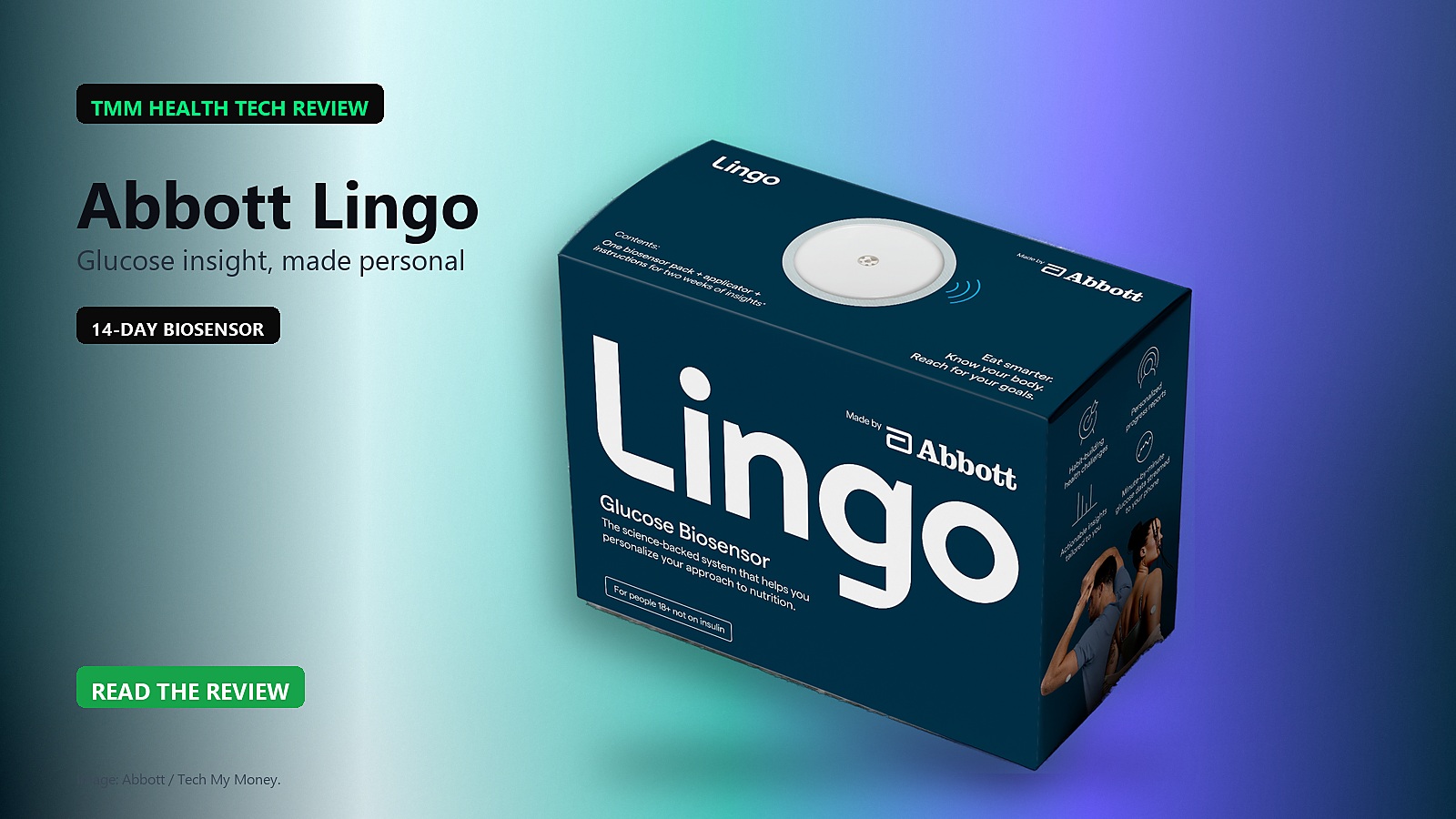
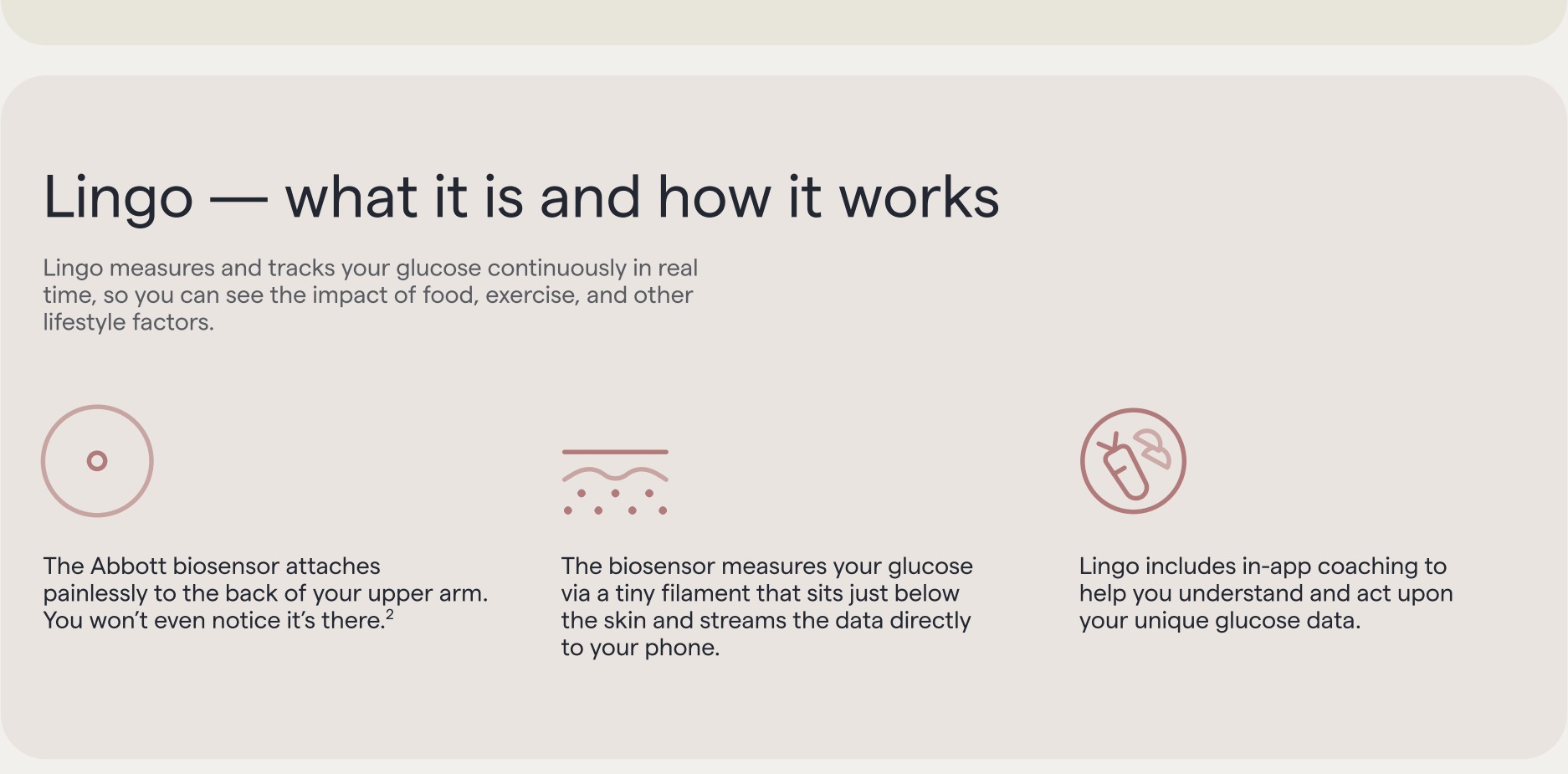
Lingo combines a small upper-arm biosensor with an iPhone or compatible Android phone. Specifically, a thin flexible filament sits just beneath the skin and measures glucose in interstitial fluid. The sensor sends a new reading to the app every minute. Abbott designed it to operate for up to 14 days.
The hardware comes from Abbott, the company behind the FreeStyle Libre family. Nevertheless, Lingo has a different job. Its purpose is to help eligible people observe lifestyle patterns, not to provide diabetes alarms or direct medical decisions. The FDA-cleared labeling says the app displays values from 55 to 200 mg/dL. It does not provide glucose alerts. Users should not take medical action based on its output without consulting a healthcare professional.
That boundary is not fine print; it changes whom I would recommend it to. Therefore, people who need glucose alerts or use insulin should discuss an appropriate medical device with a clinician. The same applies to anyone who needs glucose data for treatment decisions. Meanwhile, Lingo serves eligible adults who want to learn how everyday choices affect glucose.
The product experience looks unusually approachable
My early positive reaction starts with the design. Lingo is small, light, and intentionally discreet. Furthermore, there is no separate reader to carry. Abbott rates the sensor for showers, exercise, and immersion up to one meter for 30 minutes. In other words, the hardware should fade into the background while the app becomes the main experience.
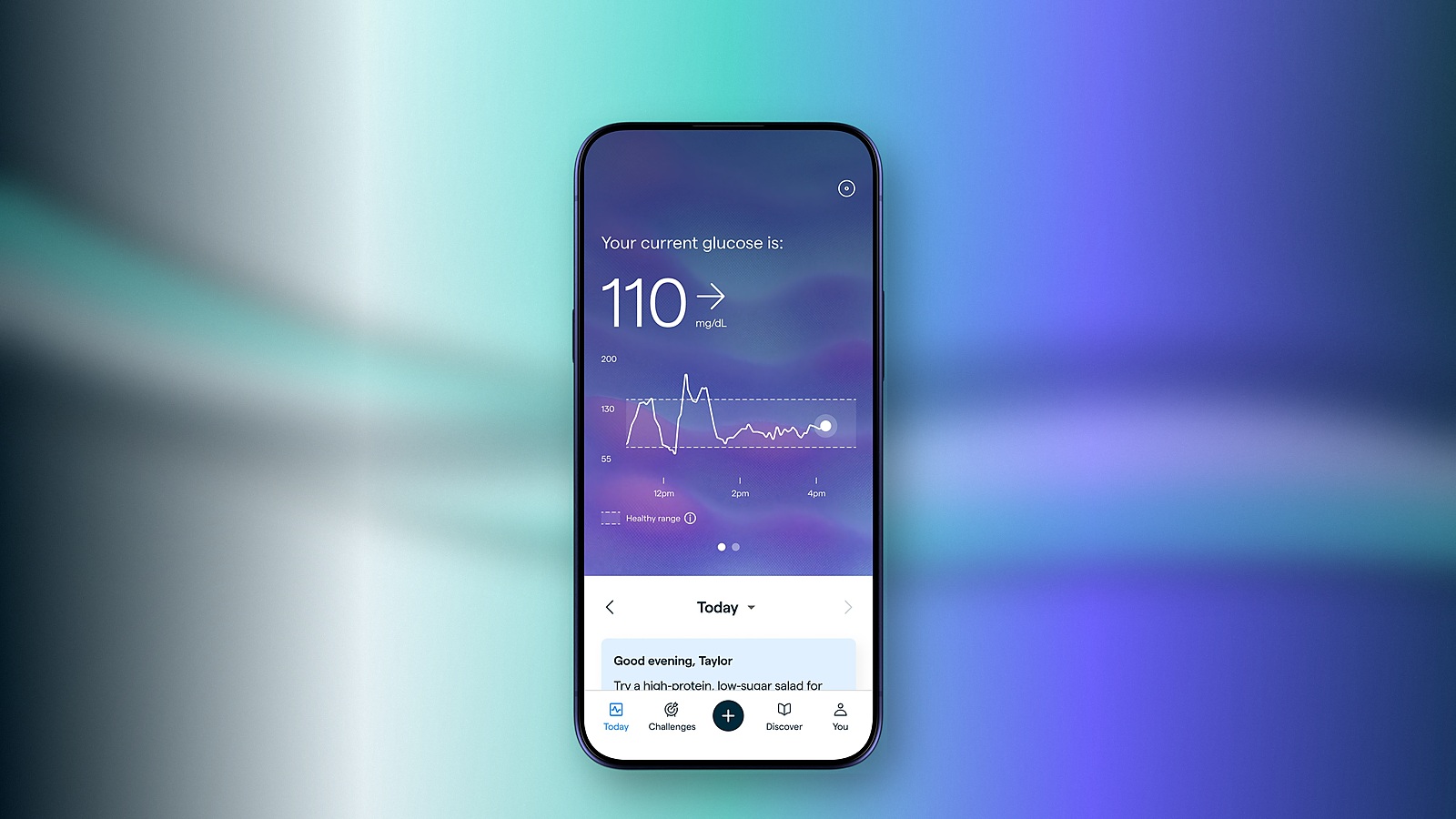
The app’s graph is the centerpiece. Instead of giving you one isolated score, it shows a trace across the day. You can compare that trace with logged food, activity, sleep, and stress. Specifically, that timeline can make a CGM-style wearable useful. The value comes from seeing what happened before and after a number.
Abbott also includes coaching, nutrition insights, and habit-building challenges. Consequently, those features make Lingo feel less like a laboratory dashboard and more like a consumer wellness program. For people who have never used a glucose sensor, that approachable language may be the difference between collecting data and actually learning from it.
Lingo Count turns glucose variation into a daily target
The app’s signature feature is Lingo Count. Abbott describes it as a proprietary algorithm that evaluates the size and duration of glucose rises, then translates them into a daily score. As a result, you receive a personalized target and can see which meals or moments used more of that daily count.
I like the behavioral idea behind it. Raw glucose charts can be intimidating, especially for someone who has never had to interpret one. Still, a simpler count can make patterns easier to compare from one day to the next. Additionally, the app can recommend small food changes based on what you log and how your glucose responds.
Still, Lingo Count is not a medical diagnosis, a universal metabolic grade, or a substitute for lab work. It is an engagement tool inside Abbott’s wellness system. The most useful way to treat it is as a prompt for curiosity: What was different about this breakfast? Did a walk change the curve? Did sleep or stress appear to matter?
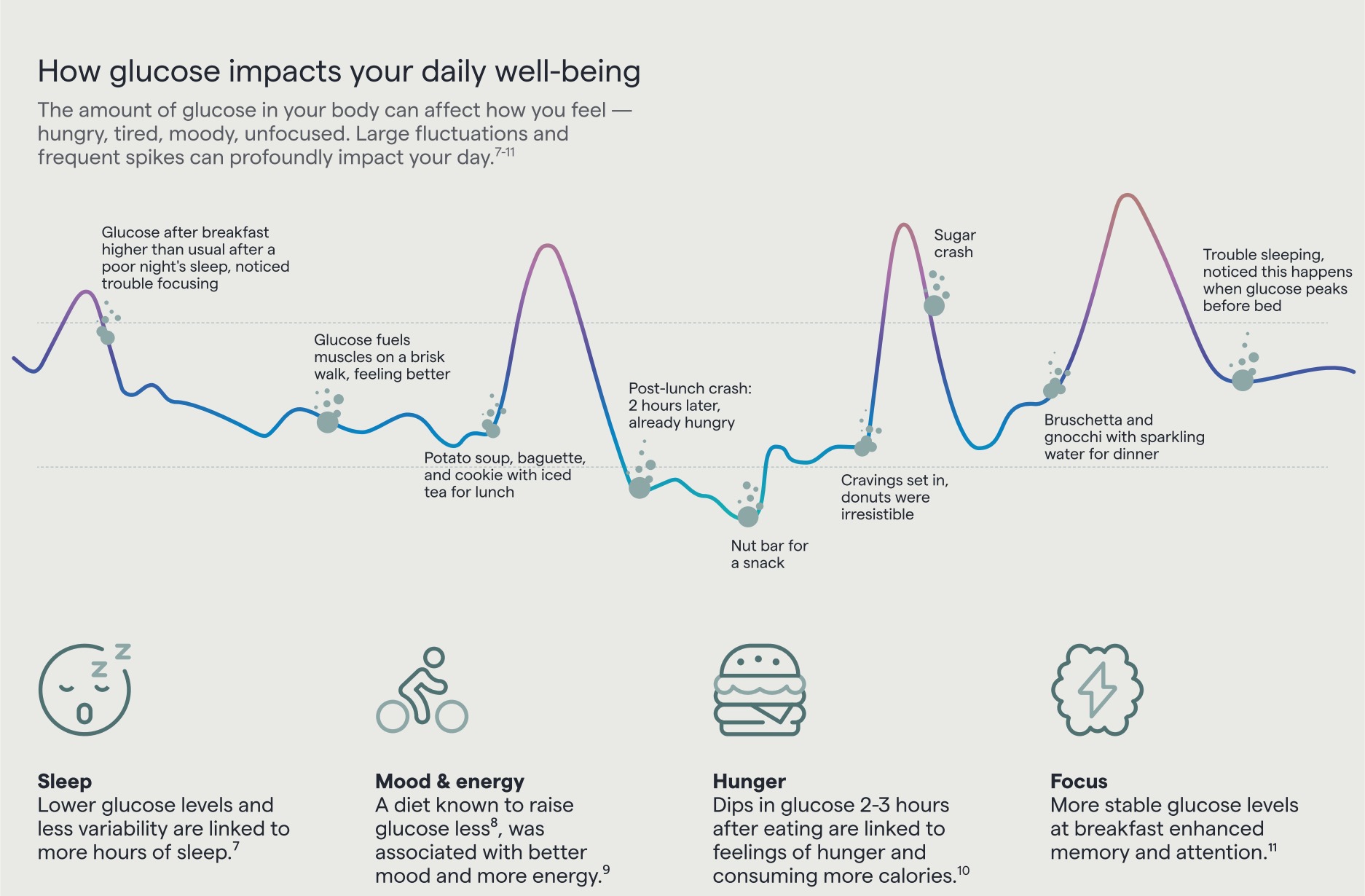
Food response is where Lingo can become genuinely useful
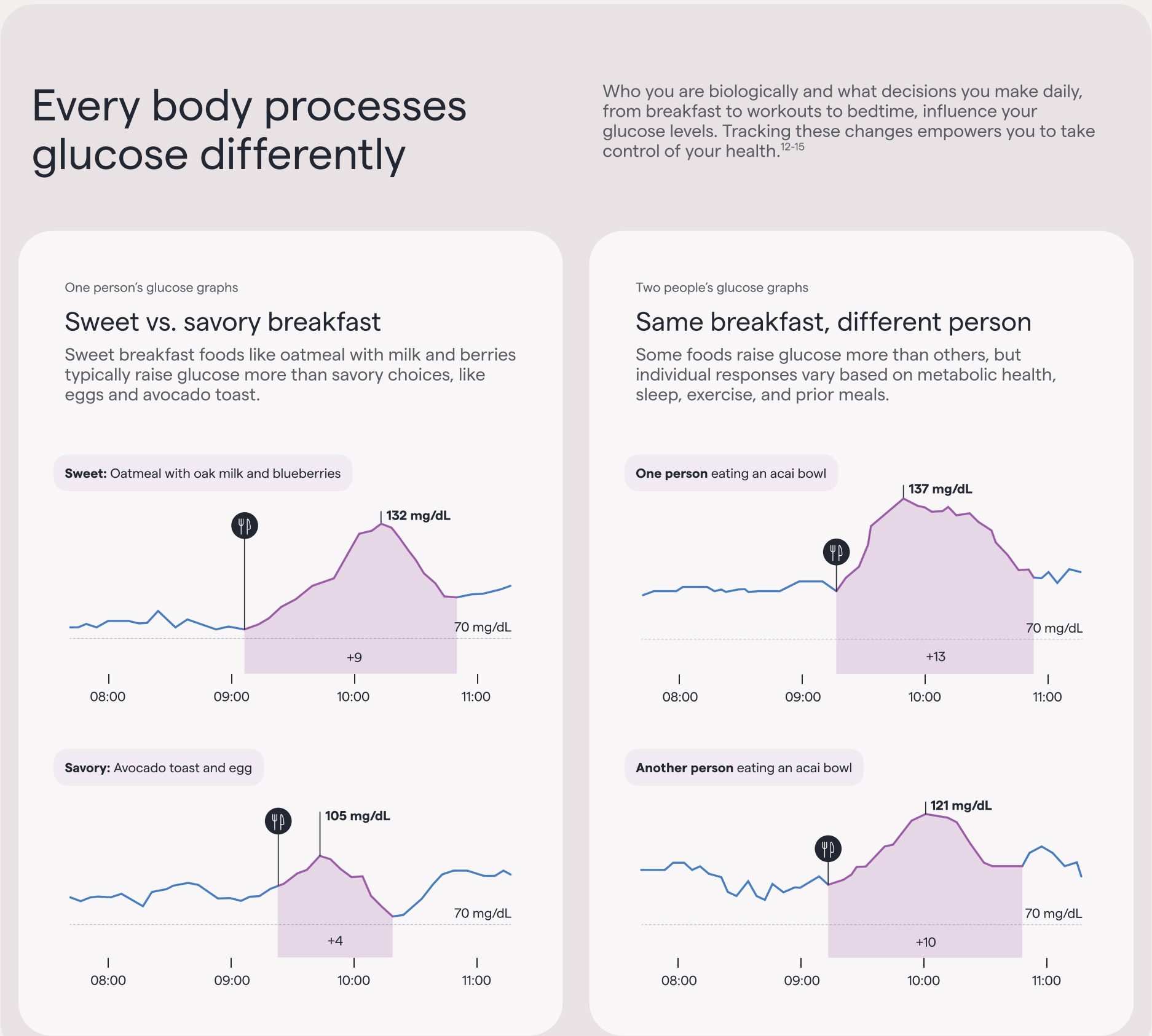
Food labels tell us what is in a meal, but they do not tell us exactly how one person’s body will respond. Indeed, the same meal can produce different curves for different people, and the same person may respond differently depending on sleep, activity, stress, and what came before it. That variability is one reason glucose data can feel so revealing.
For me, the promise is not that Lingo identifies a single “good” or “bad” food. Rather, it can help an eligible user run small, practical comparisons. For example, someone might compare a sweet breakfast with a more protein- and fiber-forward option, or see whether a short walk after a meal changes the shape of the curve. Then the app can connect that experiment to energy, hunger, and daily habits.
That feedback loop is much more constructive than fear. Moreover, it replaces “I can never eat this” with “Here is what happened, and here is a change I can discuss or try”. In fact, Lingo can make wellness decisions feel personal. It does so without pretending that everyone processes food in the same way.
What I like so far
- A proven sensor lineage: Abbott has extensive experience building continuous glucose sensors, which gives Lingo more credibility than a wellness app that only estimates metabolism from questionnaires.
- Minute-by-minute context: One reading every minute can reveal the shape and duration of a change rather than offering only isolated snapshots.
- A friendly app layer: The graph, food logging, coaching, challenges, and Lingo Count are designed to make the data understandable to a general-wellness audience.
- A low-friction format: A small upper-arm sensor and a phone app should fit daily life more naturally than repeated manual checks.
- Actionable curiosity: Lingo encourages users to compare habits and learn what appears to work for their own body.
The limitations buyers should understand
A positive review should still make the tradeoffs plain. First, eligibility is narrower than the broad popularity of CGMs may suggest. Abbott’s support guidance says Lingo is not for people with diabetes and is not for medical use. It also is not designed for anyone on insulin.
Second, the system has no glucose alerts and its displayed range is intentionally limited. Therefore, it should not be purchased as an emergency-warning device. Third, “up to 14 days” does not mean every sensor reaches exactly 14 days. Abbott’s support data says 77.1% of biosensors lasted the full wear period, while some ended earlier; the company offers a sensor-replacement promise subject to its terms.
Compatibility also deserves a check before ordering. Lingo supports current iOS and Android versions, but Abbott maintains a device-specific compatibility list. Finally, a glucose wearable produces sensitive health-related information. Therefore, buyers should review Abbott’s privacy notice and decide whether the benefits of personalized coaching are worth the data they are sharing.
How I am evaluating the full trial
This is a review in progress, and I will not manufacture a two-week verdict before the trial data exists. The next phase is designed to answer practical questions: How comfortable is application? Does the adhesive stay secure through workouts, showers, and sleep? Is logging food sustainable? Do the coaching prompts arrive at useful moments? Does Lingo Count clarify the graph or oversimplify it?
I also plan to document the experience on video. Additionally, my wife will review whether the visual story is clear and whether the sensor-and-app experience translates for an audience that has never used a glucose wearable. Abbott has offered access to a nutrition expert, and that conversation can help us ask better questions while keeping the editorial conclusions independent.
Most importantly, any personal glucose screenshots or outcomes added to the final version will come from the actual trial and will be labeled as one person’s experience. They will not be presented as proof that another reader will see the same response.
How Lingo compares with the growing OTC glucose-wearable category
Lingo is arriving as glucose tracking moves beyond prescription-only diabetes technology. The broader market includes products such as Ultrahuman’s M2 Live platform, which combines third-party sensor data with a metabolic-health app. Lingo’s advantage is that Abbott controls both the biosensor and the software experience.
Moreover, it fits a wider shift toward consumer health hardware that makes complex signals easier to see. Devices such as the Withings BodyScan 2 connected scale follow a similar philosophy: the sensor matters, but the interpretation and long-term habit loop determine whether the product becomes useful.
Buy Abbott Lingo on Amazon
The single-biosensor Lingo package is listed on Amazon. The card below uses Tech My Money’s Amazon Creators API integration, so price, availability, merchant, Prime status, and discount information appear only when Amazon supplies current data. Always confirm eligibility and phone compatibility before ordering.
Early verdict: a thoughtful, promising wellness tool
My early Abbott Lingo review is positive because the product addresses a problem I know deeply: a glucose number is more useful when you can see its context. The small biosensor, minute-by-minute graph, Lingo Count, and habit-focused coaching create a coherent experience instead of leaving the user alone with a stream of raw data.
At the same time, the strongest recommendation is a precise one. Specifically, Lingo looks most compelling for an eligible adult who does not have diabetes, is not on insulin, wants to understand food and lifestyle patterns, and is willing to treat the data as wellness information rather than medical direction. Within that lane, Abbott has built one of the most approachable glucose biowearables I have seen.
My history is the reason I care about this category, not a reason to ignore the product’s boundaries. After living through glucose readings over 500, an A1c above 15%, repeated finger pricks, fear, and the slow work of rebuilding healthier routines, I believe visibility can be motivating. Lingo’s promise is to offer that visibility earlier and more gently to the people it is designed for. The full 14-day trial will determine how well it delivers on that promise in everyday life.